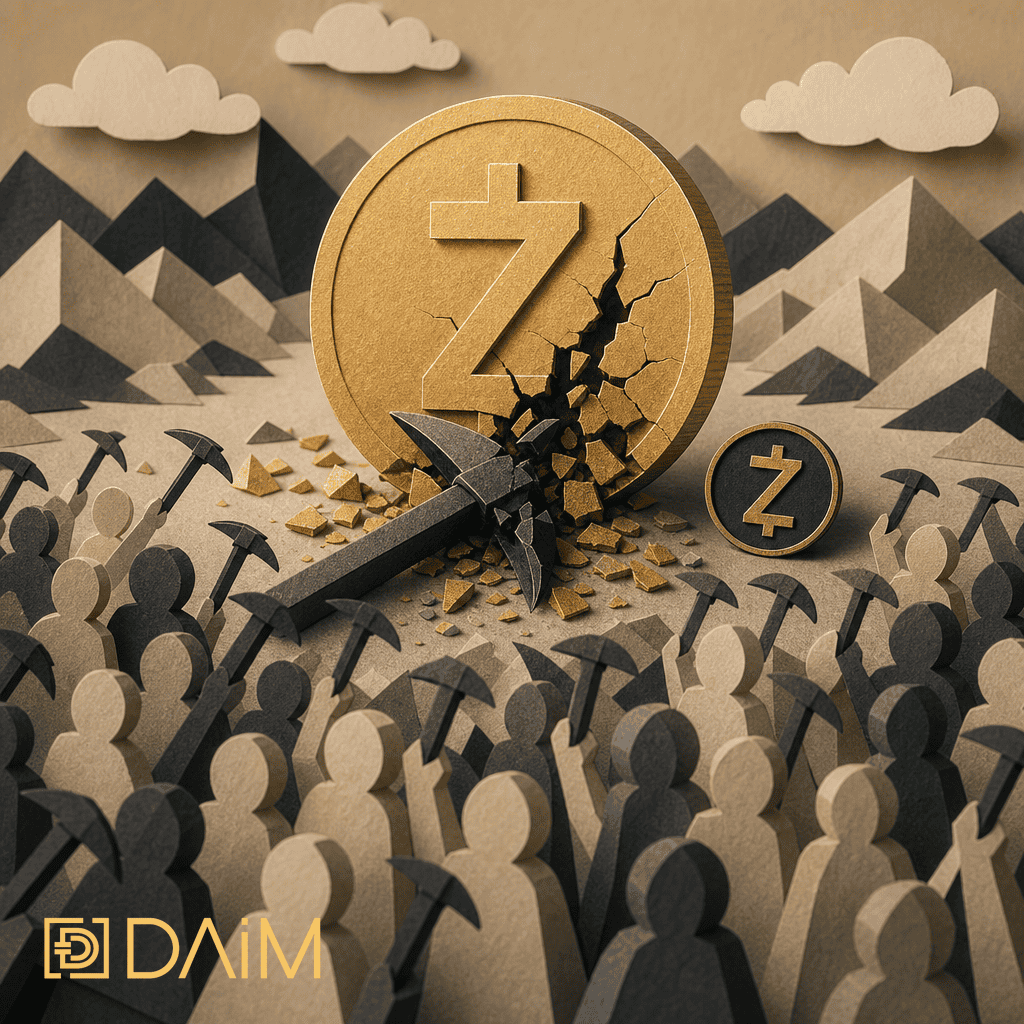
Zcash (ZEC) has had one of the more dramatic runs in crypto over the past year. According to CoinGecko, ZEC traded around $49 on September 19, 2025. By September 17, 2026, it was near $1,500, a gain of roughly 2,961%.
But long-term ZEC holders have seen this movie before. When Zcash launched in October 2016, it briefly spiked to an all-time high of $3,191 amid frenzied early trading, then collapsed almost as fast, falling over 99% to trade below $50 within weeks, and staying depressed for years afterward. Today's rally, as explosive as it's been, still sits roughly 50% below that 2016 peak. For anyone who lived through the original "Zcrash," the current surge is a reminder that this asset can create, and erase, enormous value in short order.
That history matters for financial planning, not just as a cautionary tale. It means a position that looks life-changing today could look very different a year from now, and holders need a plan that works in both directions.
From Appreciation to Financial Planning
Many early ZEC investors built their position gradually, based on conviction in privacy-preserving digital cash. When that thesis pays off this dramatically, the financial picture changes even if the investment thesis hasn't. A stake that was once a small part of a portfolio can become a dominant one, without a single additional purchase.
This is portfolio drift, and given ZEC's track record of 90%+ drawdowns, it deserves real attention. Conviction and volatility tolerance are personal, but the question worth asking is whether today's concentration still fits the broader plan.
Diversification and the Tax Question
Reducing a concentrated ZEC position isn't just a sizing decision, it's a tax decision. Selling at a gain can trigger capital gains liability depending on cost basis, holding period, and income. Gradual selling, partial liquidation, and charitable giving with appreciated assets are all approaches worth discussing with a tax professional before acting.
For holders who want to stay invested while managing downside risk, options strategies such as protective puts or collars can help hedge a concentrated position without triggering an immediate sale. These strategies carry their own costs and complexity, and are worth evaluating with an advisor who understands both digital assets and derivatives.
Liquidity and Near-Term Goals
Rapid appreciation often surfaces new goals: a home purchase, early retirement, funding education. An asset with Zcash's volatility profile is a poor match for spending that's fixed in timing or amount. Separating "wealth to grow" from "money you'll need soon" becomes more important the larger the position gets.
Estate Planning for Digital Assets
Larger ZEC holdings raise the stakes on custody and transfer planning. Beneficiaries need to be able to locate and access the assets, not just be entitled to them. That means reviewing beneficiary designations, access procedures, and power-of-attorney arrangements with qualified estate counsel.
The Bottom Line
Zcash's history, a 2016 spike, a brutal crash, years of dormancy, and now a historic rally, is a case study in why appreciation alone isn't a strategy. At DAiM, we help clients turn a volatile position like ZEC into a plan that accounts for concentration risk, taxes, liquidity, and legacy, regardless of which direction the next chart move goes.
Give us a call at 949-298-7582 or email hq@daim.io to set up a consultation.

Built And Operated In The USA 